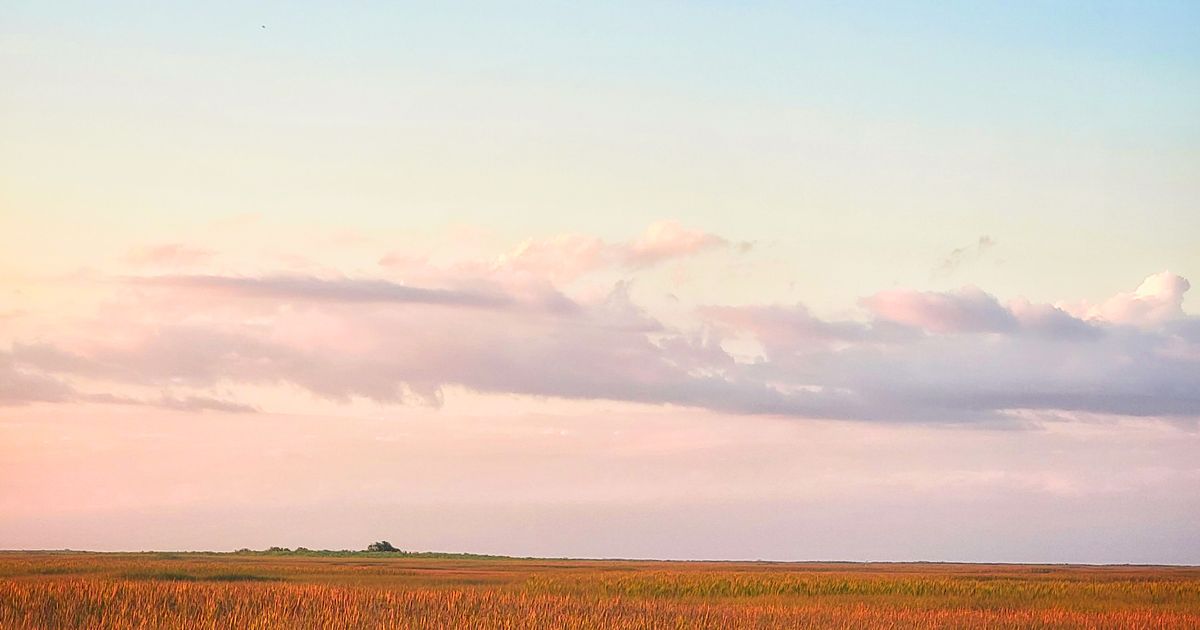
One of the first things new Florida residents learn is that Florida wildlife is extremely present — not just in the Everglades and state parks, but in suburban neighborhoods, backyards, retention ponds, and golf courses. The vast majority of encounters are benign, but knowing Florida's wildlife landscape makes you a safer and more comfortable resident.
Alligators: Everywhere, But Manageable
Florida has an estimated 1.3 million alligators. They live in every freshwater lake, pond, river, canal, and drainage ditch in the state. They occasionally wander into neighborhoods during mating season (April–June) and after heavy rains. This sounds alarming; in practice, gator attacks on humans are rare (typically fewer than 10 serious attacks per year statewide).
The rules: never feed an alligator (it associates humans with food — this is how most attacks happen), keep dogs on a leash near any water body, and give gators on land a wide berth — they can move quickly over short distances. If an alligator is over 4 feet long and seems to be habitually near humans, call Florida Fish and Wildlife Conservation Commission (FWC) at 888-404-FWCC — they'll send a trapper.
Venomous Snakes: Know the Six
Florida has six venomous snake species. Most snake encounters are with harmless species (black racers, corn snakes, Florida kingsnakes) — learn to distinguish them. The venomous six:
- Eastern Diamondback Rattlesnake — largest venomous snake in North America; found statewide; prefers dry pine flatwoods
- Timber (Canebrake) Rattlesnake — found in North Florida; less common
- Pygmy Rattlesnake — small, common, found statewide; bite rarely fatal but very painful
- Eastern Coral Snake — red touches yellow = danger; shy, rarely bites
- Florida Cottonmouth (Water Moccasin) — near water statewide; distinctive white mouth
- Southern Copperhead — found in North Florida panhandle only
If bitten, go immediately to an emergency room without trying to suck out venom or apply a tourniquet. Antivenin is available at most Florida emergency facilities.
Pests That Florida Residents Prepare For
Palmetto bugs (American cockroaches) are large flying cockroaches that are common throughout Florida. They're a fact of life — even clean, well-maintained homes see them. Quarterly pest control is the standard response.
Fire ants build mounds in lawns statewide. Their stings are painful and can cause allergic reactions. Treat mounds promptly; don't walk barefoot in unfamiliar grass.
No-see-ums (biting midges) are tiny biting insects that are worst near water at dawn and dusk. They can fly through standard window screens. "No-see-um screens" with tighter mesh help; DEET works as repellent.
Subterranean termites are extremely active in Florida. Annual termite inspections and termite bonds (service contracts) are standard for Florida homeowners — not optional extras.
Marine Wildlife
Florida's coastal waters have their own wildlife considerations. Stingrays are common in shallow Gulf water — the "stingray shuffle" (sliding your feet rather than stepping down) disturbs them before you step on them. Jellyfish stings are common; most aren't dangerous but are unpleasant. Portuguese man-o-war (not actually a jellyfish but similar in effect) wash ashore occasionally on Atlantic beaches — their tentacles sting even when detached.
Bull sharks are found in Florida coastal and even some freshwater rivers. Unprovoked shark attacks are extremely rare — an average of 15–20 minor incidents per year statewide, nearly all in the Volusia County surf (New Smyrna Beach is the "shark attack capital of the world" by volume, but they're mostly nibbles). Don't swim near fishing piers or in murky water at dawn/dusk.
Wildlife You'll Actually Enjoy
Florida's wildlife is mostly a delight. Manatees are docile, friendly, and common in warm river springs and coastal marinas. Dolphins appear near virtually every Florida coast. Sea turtles nest on Florida beaches from May through October — coastal residents often volunteer for turtle patrol programs. White-tailed deer, sandhill cranes, gopher tortoises, osprey, and hundreds of migratory bird species make Florida an extraordinary wildlife-watching state. The Florida birding trail system is world-class.
Living Well With Florida Wildlife
- Never feed wildlife — alligators, raccoons, deer, or birds. It creates dependency and danger.
- Keep pet food inside and secure trash cans — raccoons and bears (in North/Central FL) will investigate
- Inspect your yard for fire ant mounds after rain; treat promptly
- Schedule annual termite inspection — standard homeowner practice in Florida
- Use DEET or permethrin repellent for outdoor activities near water at dawn/dusk
- Learn to identify Florida's venomous vs. harmless snakes — FWC has an excellent online guide
- Call FWC (888-404-FWCC) for any nuisance wildlife issue — don't handle it yourself